

Droip is a next-generation WordPress page builder built for creators who want full design freedom without sacrificing performance, SEO, or maintainability. As WordPress moves toward more modern workflows, Droip is increasingly positioned as a better Elementor alternative, especially for users frustrated with heavy DOM output, addon dependency, and performance bottlenecks.
Let’s explore what makes Droip different, why it outperforms traditional builders, and who should consider switching.
What Is Droip WP Page Builder?
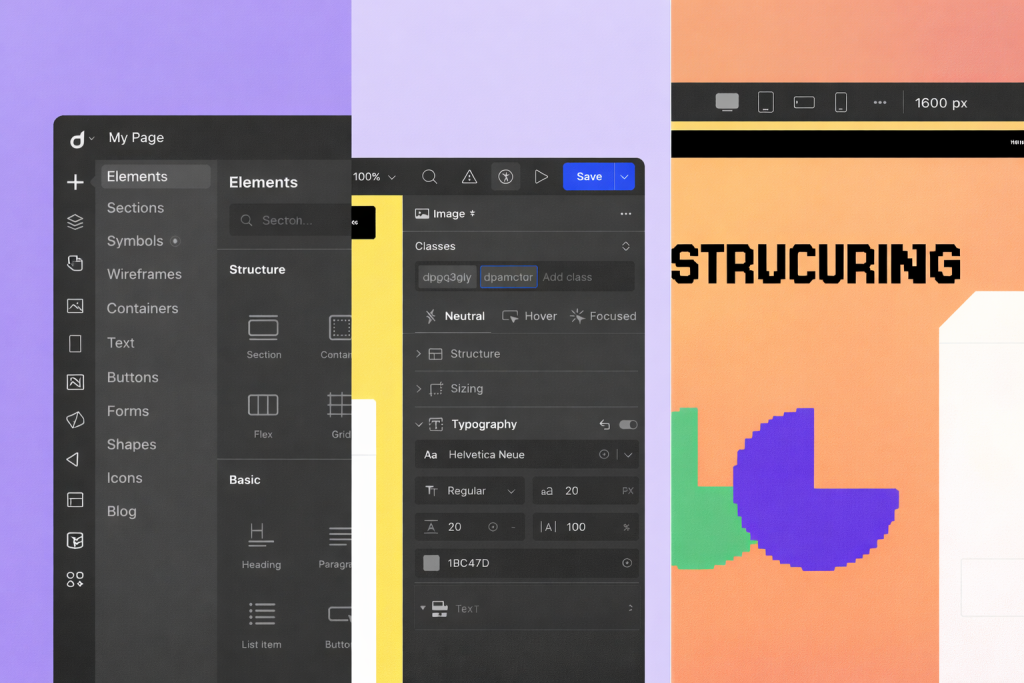
Droip is a no-code, visual WordPress builder that replaces rigid section-column systems with a free-form canvas. It allows designers and developers to build pixel-accurate layouts visually, while still generating clean, semantic code underneath.
Unlike older builders, Droip is designed around:
- Performance first architecture
- Modern design workflows
- Native advanced features (no addon stack)
Why Droip Is a Better Elementor Alternative
1. Cleaner Code and Better SEO
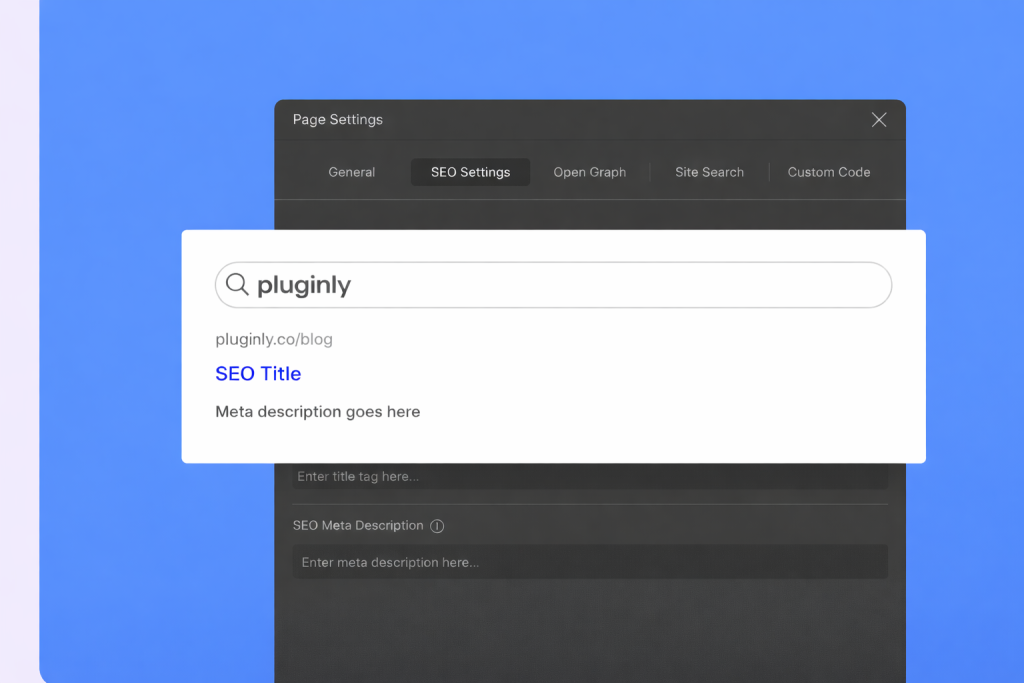
Elementor pages often rely on deeply nested divs and wrapper elements, which can bloat the DOM and negatively impact Core Web Vitals. Droip generates leaner HTML with fewer wrappers . Droip aligns well with modern SEO requirements:
- Semantic HTML output
- Optimized DOM structure
- Mobile-first responsive controls
- Improved crawlability
- Reduced dependency on third-party scripts
These factors help search engines index content more efficiently while improving real user experience. For SEO-focused WordPress sites, this alone makes Droip a strong Elementor replacement.
2. True Free-Form Design (No Section Lock-In)
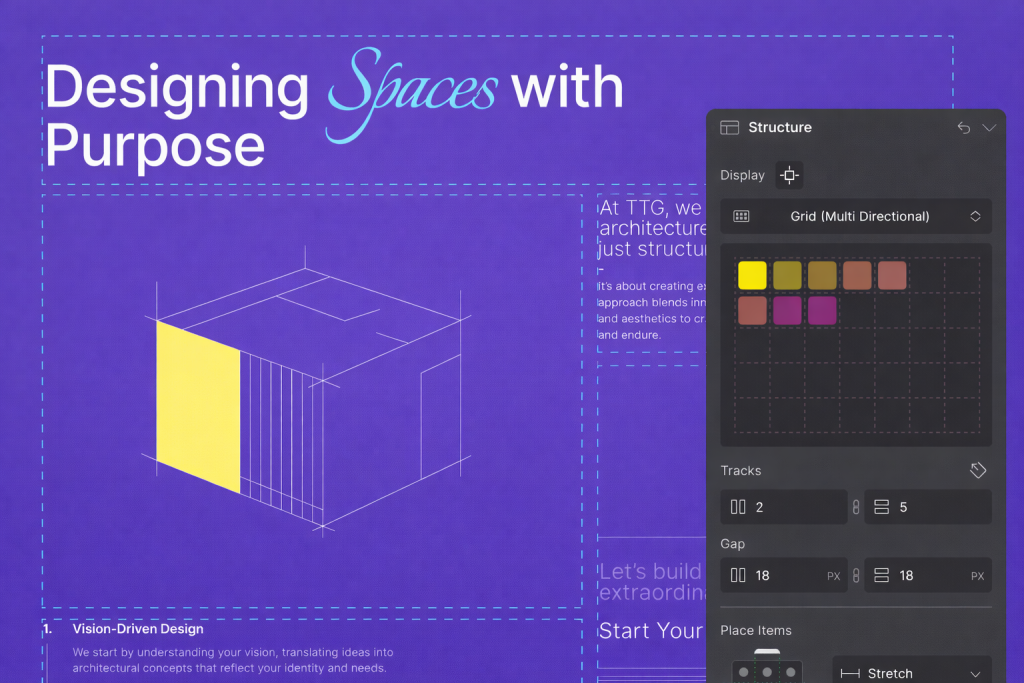
Elementor forces layouts into sections, columns, and inner sections. Droip removes that constraint entirely.
With Droip’s canvas-based editor , you can:
- Position elements freely
- Layer content visually
- Build complex layouts without hacks
This feels closer to tools like Figma or Webflow, but runs natively on WordPress.
3. Built-In Features, Fewer Plugins
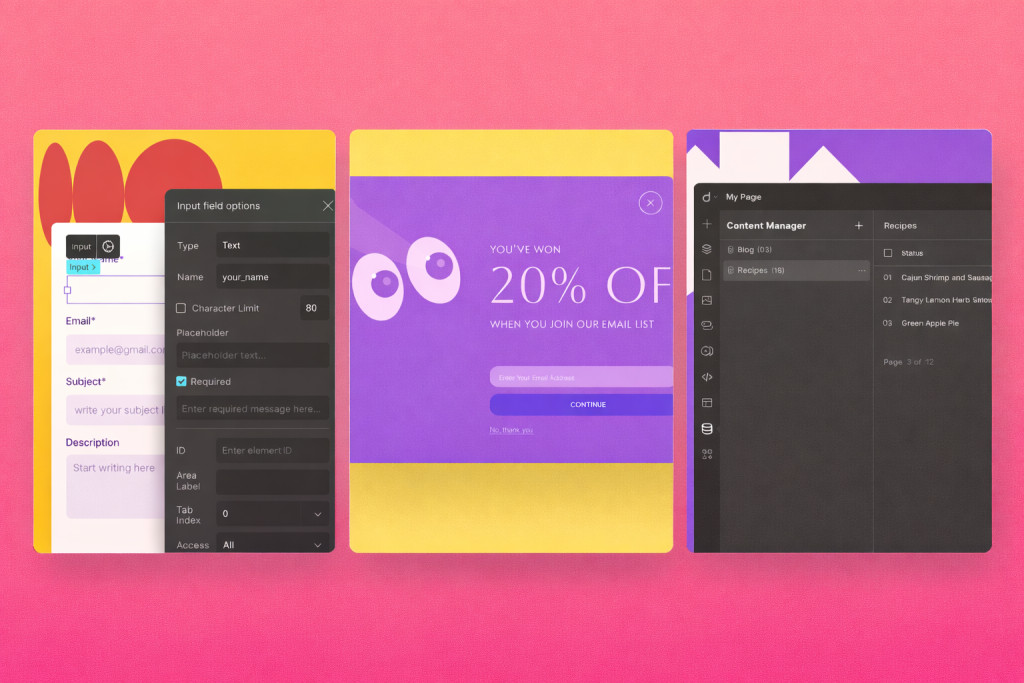
Elementor users often rely on multiple third-party addons for essential features. Droip includes these out of the box:
Fewer plugins means fewer conflicts, easier maintenance, and better long-term stability.
4. Performance That Scales
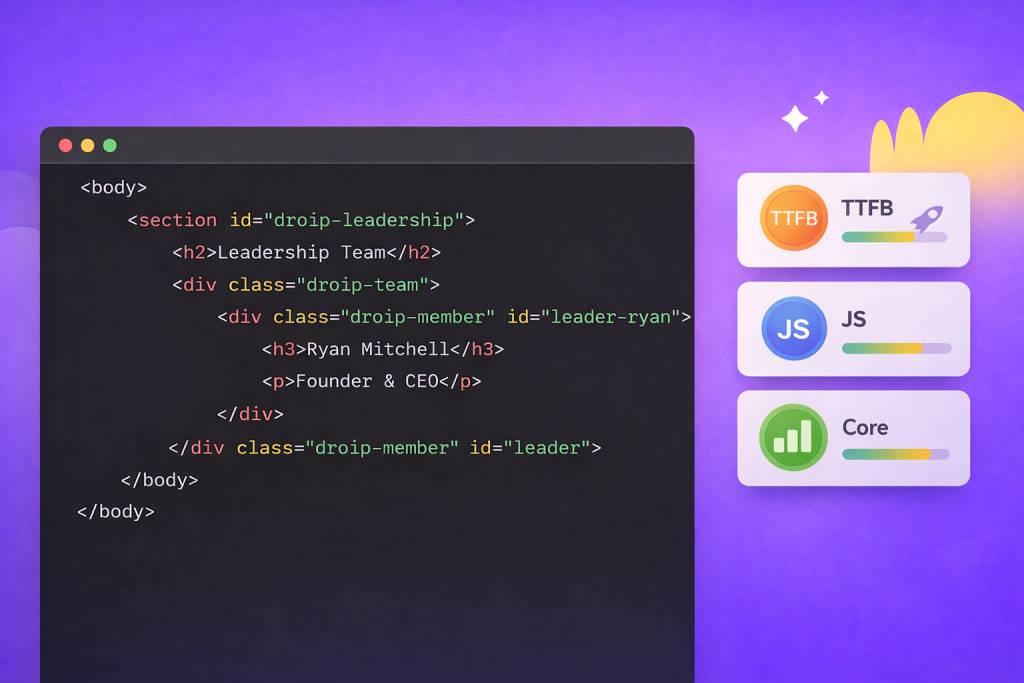
As Elementor sites grow, performance often degrades due to addon overload and script bloat. Droip’s architecture is designed to stay lightweight even as layouts become more complex.
Benefits include:
- Faster TTFB
- Lower JavaScript overhead
- Improved Core Web Vitals scores
This makes Droip suitable for blogs, landing pages, business sites, and high-traffic projects.
5. Modern Workflow Support (Figma to WordPress)
Droip supports Figma imports, allowing designers to convert designs into editable WordPress layouts quickly. This shortens build time and reduces design-to-development friction – something Elementor does not natively handle well.

Who Should Use Droip
Designers & Agencies
Ideal for teams that want advanced design control without custom coding or bloated setups.
Freelancers
One builder replaces multiple Elementor addons, reducing cost and setup complexity.
SEO-Focused Site Owners
Cleaner output and faster load times support better rankings and conversions.
Elementor Users Looking to Upgrade
If performance, flexibility, or maintenance has become an issue, Droip is a logical next step.
Final Thoughts
Droip is not just another WordPress page builder. It’s a modern, performance-driven Elementor alternative built for the future of no-code web design. By combining free-form design, clean code output, and built-in advanced features, Droip solves many of the limitations that users face with traditional builders.
For anyone serious about speed, SEO, and long-term scalability on WordPress, Droip is worth serious consideration.
Learn more or get started: https://droip.com/